FREE sourcing support and up to 3% procurement support for qualified business buyers. Eligibility applies to qualified business buyers and is confirmed after we review your product, quantity, destination, and sourcing requirements.

Independent sourcing partner

Source coolmax alternatives with a written fiber brief

LoomMeadow Procurement is not coolmax and has no affiliation with or authorization from that brand. Use the brand name only as a starting reference while we match mills against composition, count, package form and US destination.

Request fabric quotes Unbranded yarn cones and a specification worksheet on a procurement desk
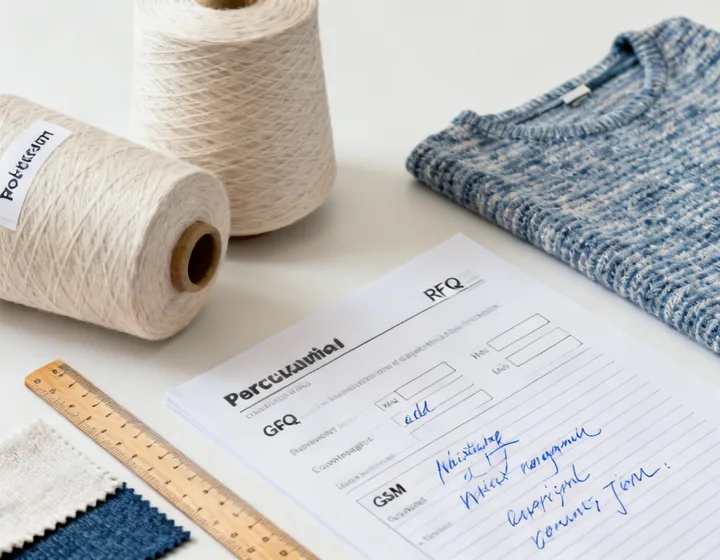
Before an RFQ

  • Application, fiber content and count system
  • Linear density, ply, twist and luster
  • Package form, lot size, finish, quantity and destination
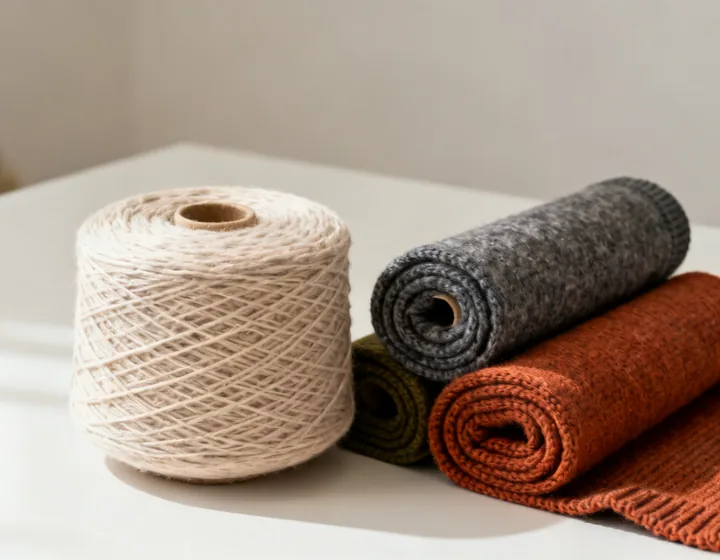
Yarn packages beside outdoor knit swatches for a material shortlist

Material shortlist

This site focuses on Yarns, Fibers and Threads, with Outdoor and Performance Fabrics as adjacent inquiry families. Catalog names are generic RFQ options, not branded stock.

Construction
Buyer-defined spun, filament or knit route
Finish
Supplier-confirmed moisture, dye or lamination scope
Open coolmax fabric inquiry families

Agree the specification

The 2026-11-17 US keyword export lists coolmax at 600 monthly searches. That measured query is a research reference, not proof of textile-only demand. Record measurable fields so a mill can answer without guessing equivalence.

Count, ply and linear density
State the requested system, tolerance and whether filament or staple is acceptable.
Color and luster
Identify a retained cone, lab dip or knitted panel rather than a marketing color name.
Package and lot
Name cone, cheese, beam or fabric roll, plus the lot size that must stay shade-consistent.

Separate each approval

A hanging card does not authorize bulk yarn. Keep each gate written so later lots can be compared to the same identity.

StageRecordOwner
Clarify the briefApproved version of count, fiber and end useBuyer confirms in writing
Compare suppliersQuoted article codes and stated deviationsSourcing desk compiles
Approve the sampleSwatch, knitted panel or yarn lot identityBuyer signs the retained piece
Agree bulk checksShade, twist and package sampling planNamed inspection party

Begin with the use case

Apparel next-to-skin knits, outdoor shells and sewing thread each change which tests and package forms matter.

Duty
Wear, wash, weather or industrial sewing exposure
Acceptance
Method, edition and target agreed by the buyer, not a generic brand claim

A report needs a scope

Do not treat a mill certificate as a credential owned by LoomMeadow Procurement. Bind every sheet to the quoted article.

  • Legal entity and mill site named on the document
  • Exact yarn or fabric article, not a family label
  • Date, method and applicable batch or dye lot

Clarify the unknowns

What defines the approved color reference?
A dated lab dip or knitted panel kept by the buyer, not a website swatch image.
How should quotations be compared?
Align composition, yield, package, freight, duties, sampling and payment before ranking unit price.
Who performs testing and inspection?
The buyer names the laboratory or inspector; this desk only records the agreed scope.
Should the program start from stock yarn or custom development?
Stock cones can shorten sampling when count, luster and dye class already match the brief. Custom spinning or finishing can match construction more closely, but needs written minimums, lab-dip rounds and a bulk sampling plan. Choose the route in the RFQ rather than mixing both under one article code.

Discuss the brief

Share open fiber specifications and the decisions already made. We will request factory wholesale quotes on that same basis.

Send a fabric brief